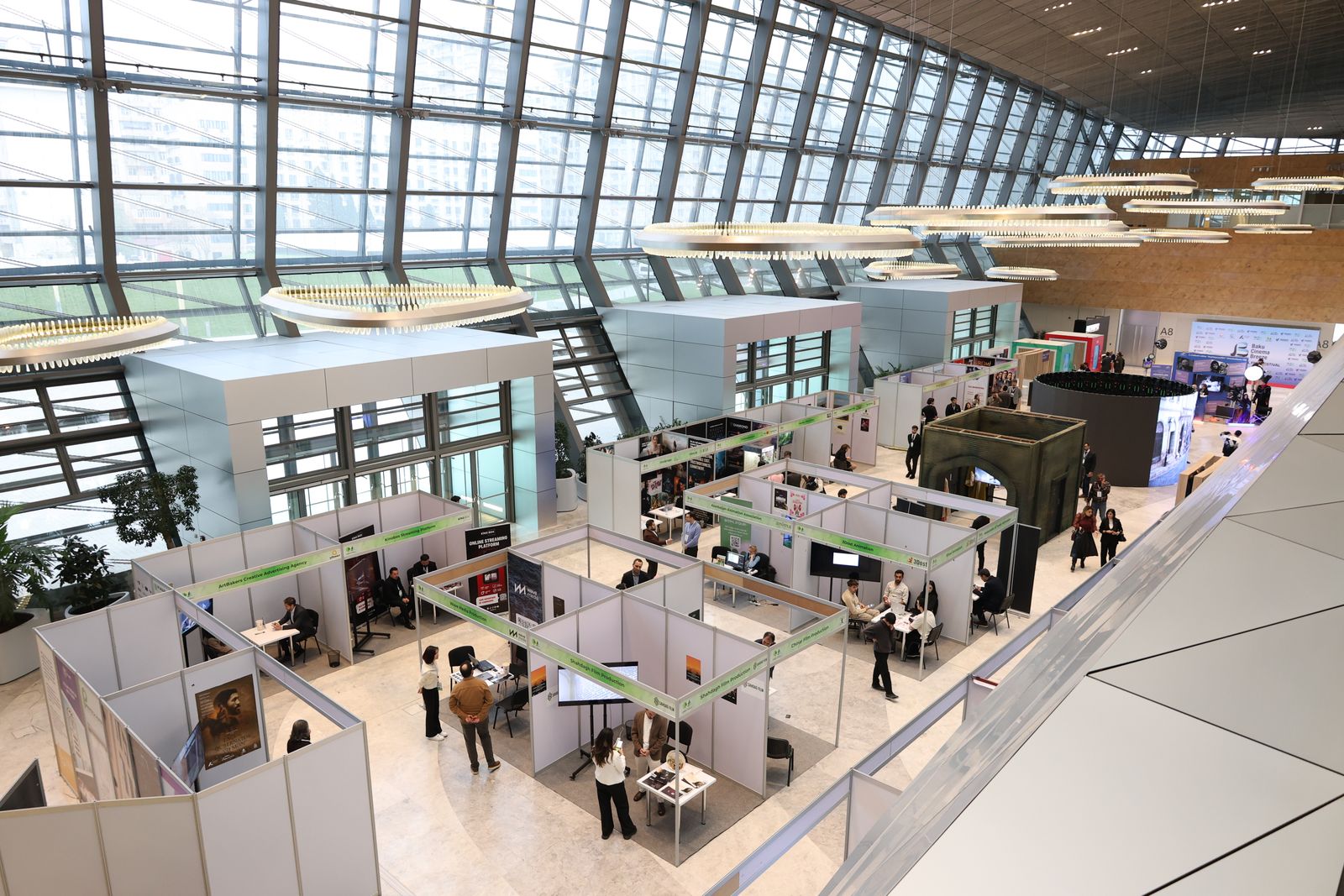
A booth that costs more every year, samples that arrive broken or late, and leads that evaporate the moment the show ends: for many B2B brands, the trade show remains essential but increasingly unprofitable. Augmented reality and 3D configurators change that equation in practice. Instead of hauling a limited physical catalog, they let you present an entire product range, in every variant, with no logistics and no breakage — and turn a simple booth visit into usable sales data after the event.
Trade shows keep getting more expensive, and physical samples are showing their limits
Exhibition industry figures confirm a trend every B2B exhibitor already feels on the ground. According to the Exhibitor Advocate’s 2025 Annual Survey, reported by Integrate, material handling base rates have climbed 21.3% since 2022, while electrical overtime labor is up 41.2% over the same period. More broadly, 80% of exhibitors name cost management as their top challenge, and 55% say rising costs now outweigh the actual value of exhibiting at some events.
Against that backdrop, shipping physical samples for every catalog item rarely holds up: freight cost, risk of damage or delay, and the sheer impossibility of showing a bulky machine or a full range of finishes on a booth that’s only a few square meters. Many exhibitors end up displaying only a narrow selection of products, leaving commercial opportunities on the table for everything else in the catalog.
What B2B buyers already expect everywhere else, they now expect at your booth too
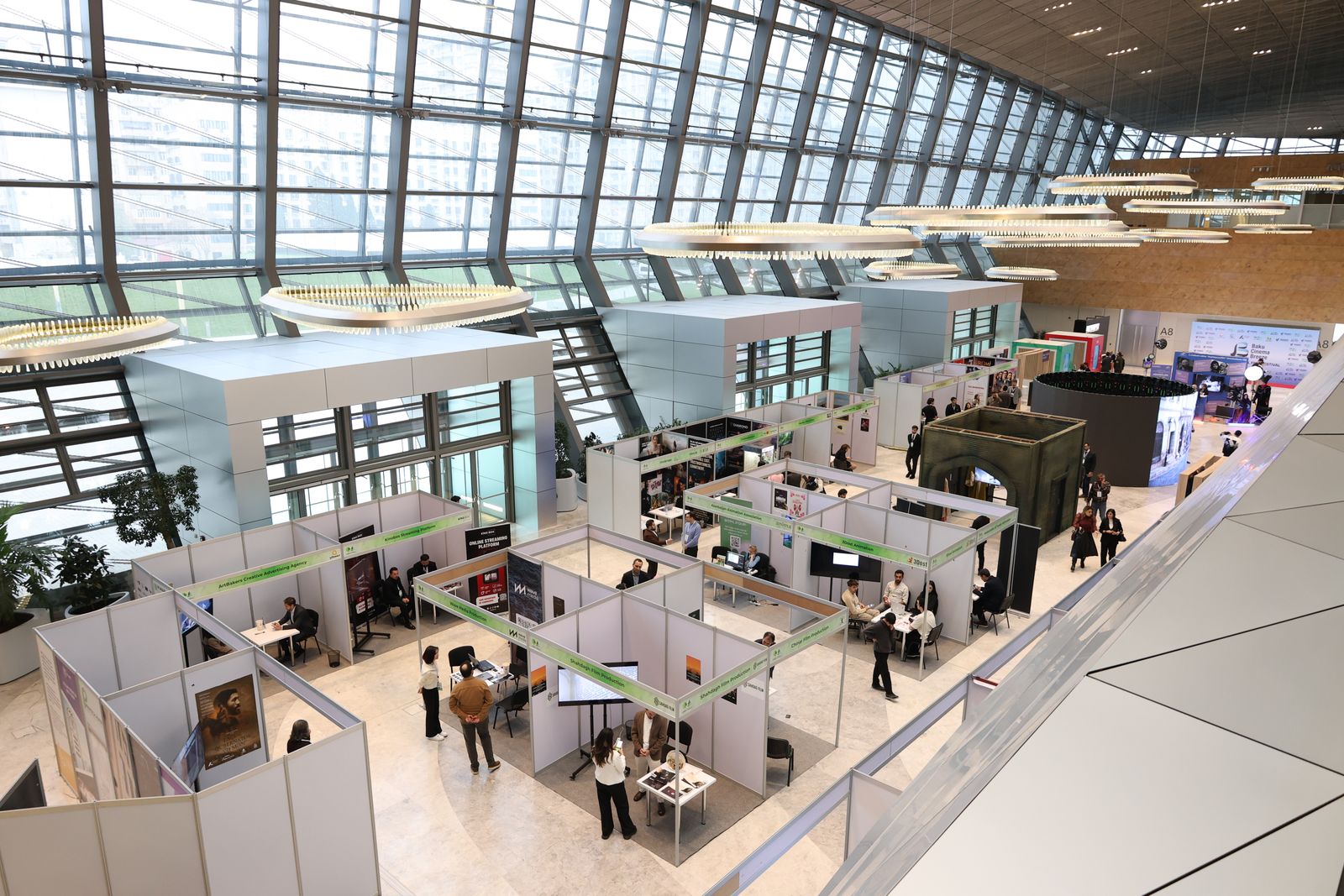
B2B buying habits have changed faster than most trade show booths. According to a Gartner survey of 632 buyers, 61% of B2B buyers say they prefer a buying experience with no direct interaction with a sales rep, at least for the discovery and comparison stages. And according to McKinsey, B2B buyers now use ten or more channels to interact with suppliers, up from just five in 2016; 94% of decision-makers rate this omnichannel model as at least as effective as the traditional one.
In other words, the buyer who walks up to your booth has, in most cases, already browsed your website, compared configurations online, and checked out alternatives on their phone. Offering them a purely static experience on-site — a paper brochure and a handful of samples — creates a mismatch with the digital standards they’re already used to elsewhere in their buying journey. A 3D configurator or an augmented reality experience on the booth closes that gap by extending, on the show floor, the same interactive logic as your e-commerce site or B2B platform.
How a 3D configurator or augmented reality experience actually works at a booth
In practice, two complementary approaches make up most of the setups seen at trade shows today.
The first relies on a tablet or touchscreen installed on the booth, hosting a 3D configurator that covers the entire catalog: the sales rep rotates the product, switches finishes, dimensions, or technical options in seconds, without ever having to pull a sample out from the back of the booth. The second leans on augmented reality, specifically WebAR, which runs directly in the browser with no app to install: a visitor scans a QR code and sees the configured product, at true scale, right there in the booth environment — or even placed on the floor of their own facility, straight from their smartphone.
This second approach is especially useful for bulky equipment — industrial machinery, professional furniture, store fixtures — that’s physically impossible to display in full, or in multiple configurations, on a standard booth. It also extends the experience past the show itself: the same link or QR code can be emailed to the prospect afterward, who can revisit the exact configuration they saw on the booth, from home.
The concrete benefits for your budget and your sales

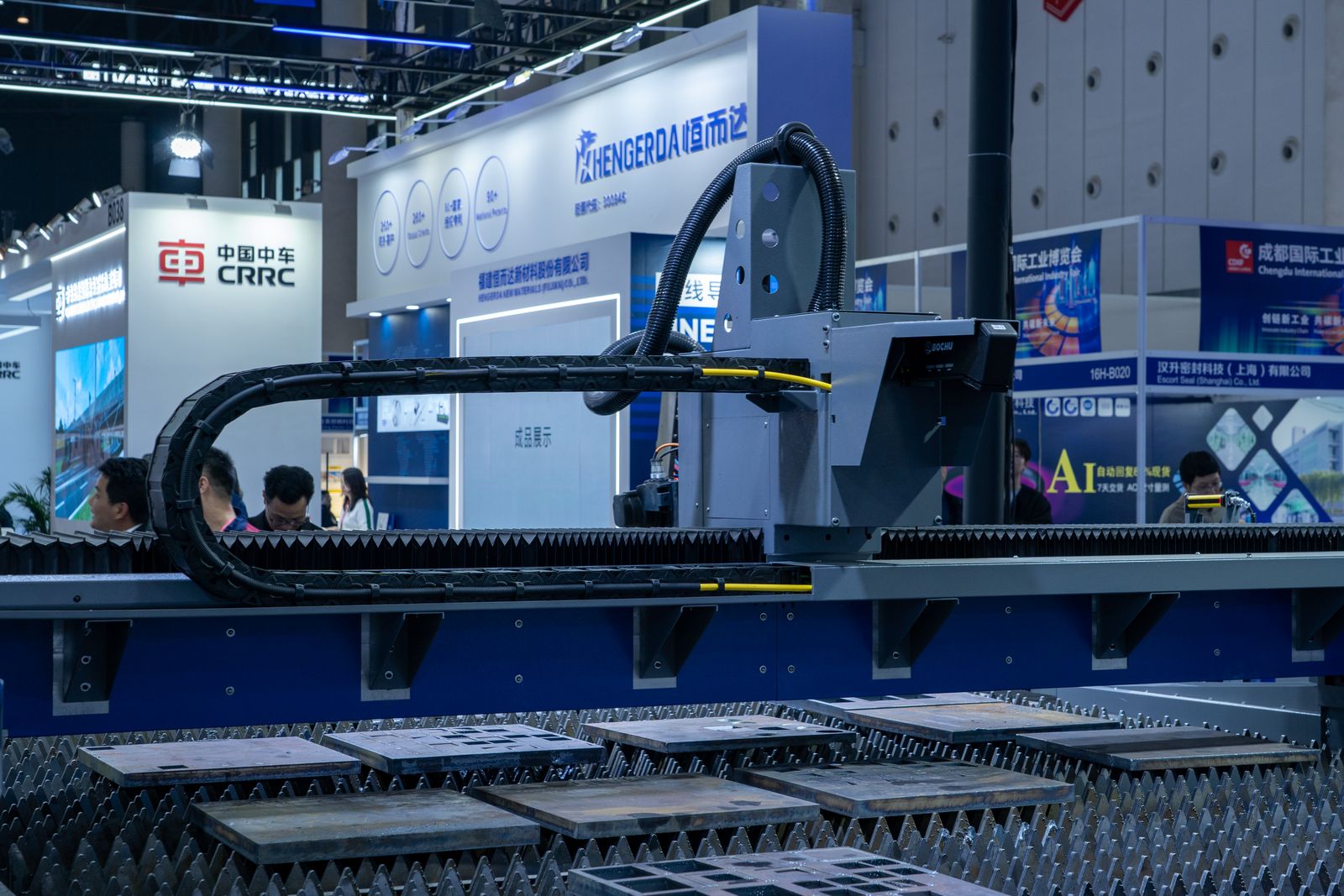
The value isn’t just about looking modern. A Shopify case study on the Rebecca Minkoff brand found that visitors who interacted with a product in augmented reality were 65% more likely to place an order, and those who viewed a product in 3D were 44% more likely to add it to their cart, with 27% more orders among that group. Those figures come from e-commerce, but the underlying mechanism — reducing product uncertainty before the buying decision — applies just as well to a conversation at a trade show booth.
That added confidence also has a measurable effect on product returns: according to a Retail Dive analysis based on Snap data, AR-guided purchases see 25% fewer returns. For a B2B company selling complex equipment, every configuration mistake avoided upfront means a direct saving on reverse logistics and after-sales service.
On the direct cost side of exhibiting, replacing part of your physical samples with a 3D or AR experience cuts the freight, insurance, and material handling costs mentioned above, while freeing up booth space for sales conversations instead of product storage. It’s also a qualification tool: every configuration a visitor completes can be logged and passed to the sales team for precise post-show follow-up, instead of a stack of business cards that’s hard to act on.
Mistakes to avoid when digitizing your booth
- A gadget with no commercial purpose: an impressive 3D or AR experience that’s disconnected from the real catalog or from lead capture delivers no measurable return.
- Relying on a downloadable app: nobody at a booth will install an app for a five-minute interaction; favor WebAR, accessible with a simple QR code instead.
- Ignoring the venue’s network: exhibition halls often have overloaded Wi-Fi; plan for compressed 3D assets and a mode that works on mobile data or offline.
- Forgetting to extend the experience past the show: without a reusable link or QR code, whatever happened on the booth doesn’t survive the end of the event.
How to choose the right solution for your next trade show
The choice depends mostly on what your company already has. If an e-commerce 3D configurator or a 3D catalog has already been built for your site, the same asset base can be adapted for booth use, which sharply reduces the budget compared with building from scratch. If that’s not yet the case, the trade show can actually serve as the pilot project to build the business case that convinces your leadership team, ahead of a wider rollout on the website.
A few criteria help tell providers apart: their ability to produce faithful 3D models from your existing CAD files, whether the experience works offline or on limited mobile data, whether lead capture is built directly into the interface, and whether the same 3D assets can be reused on your site after the show. We cover these criteria in more depth in our guide on how to choose the right agency for a 3D configurator.
Frequently asked questions
Do you need an app to offer augmented reality at a trade show booth?
No, and it’s actually best to avoid one: WebAR, which runs directly in the mobile browser via a QR code, removes all installation friction for a visitor who’ll only spend a few minutes at your booth.
Can a trade show 3D configurator reuse our e-commerce assets?
In the vast majority of cases, yes. 3D models built for an online configurator can be adapted to a touchscreen booth interface, which significantly lowers the cost compared with building a dedicated experience.
How much does a 3D or AR experience for a trade show cost?
The budget largely depends on whether 3D assets already exist and how many products need to be configured. The underlying cost logic is the same as for a standard e-commerce configurator.
Inspir3d’s Expertise
At Inspir3d, we design 3D configurators and augmented reality experiences built to run just as well on an e-commerce site as on a trade show booth, reusing the same 3D assets to maximize the return on investment of every channel. If you’re preparing for a trade show and want to assess the feasibility of an immersive experience for your booth, let’s talk about your project.
