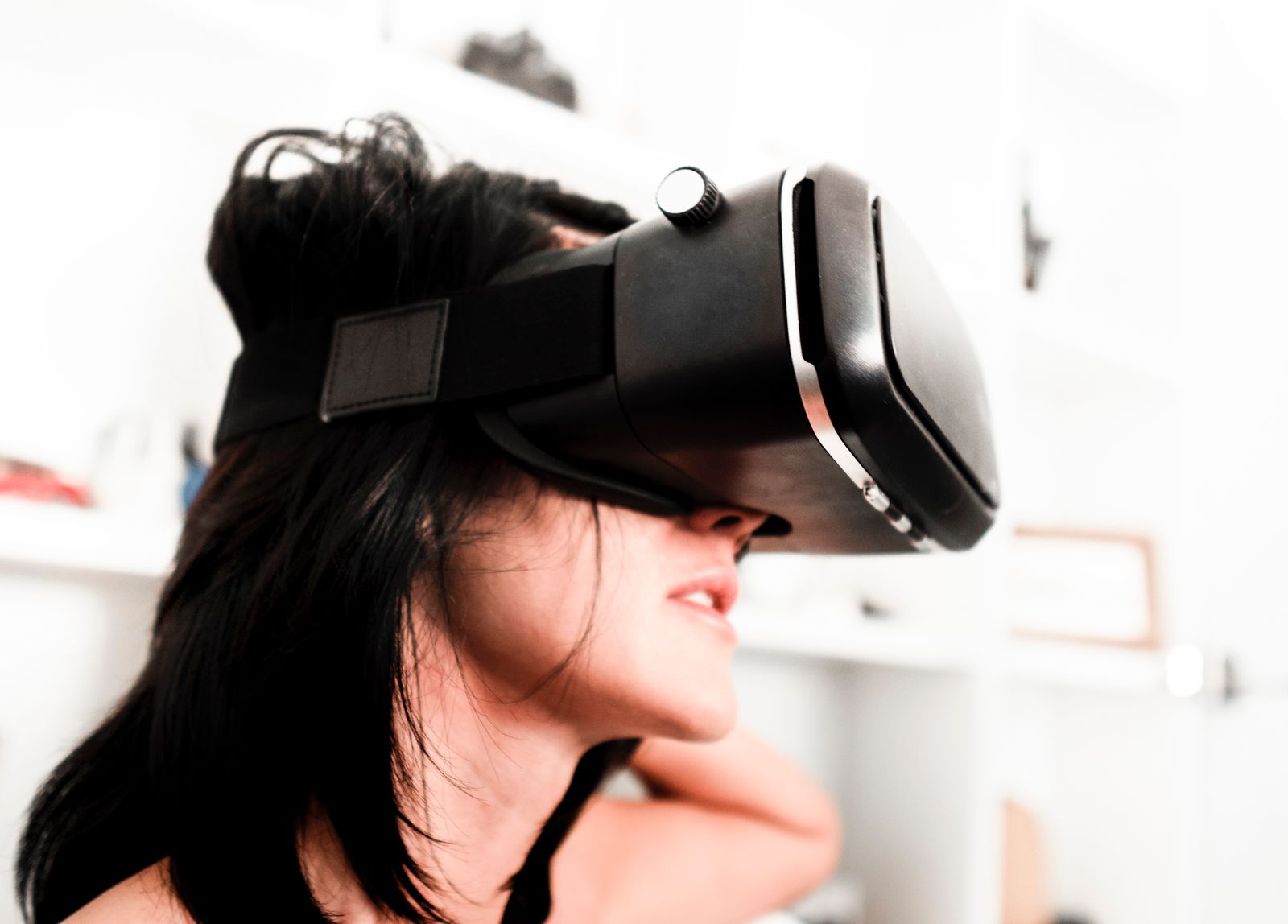
Two years. That’s how much time has passed since our last newsletter. During that pause, we weren’t idle: we completely redesigned our website, built a brand-new blog platform, and prepared the return of our public voice. The result: two announcements in one. First, our newsletter is back in service after two years of silence. Second — and this is the real news — we’re launching a brand-new blog, with a deliberate publishing rhythm and a clear goal: to become a go-to resource on immersive e-commerce experiences — 3D configurators, augmented and virtual reality, virtual try-on, product personalization, artificial intelligence, UX/UI, and digital strategy. This article is the second one published on this new blog, right after our very first article, dedicated to web performance, published yesterday.
Why a newsletter is coming back, and a blog is starting
Let’s be transparent: a newsletter left dormant for two years is never an editorial choice. It’s the symptom of a studio that put its resources elsewhere — into production, into client deliverables, into an internal transformation that ended up absorbing everything. We preferred to take that time rather than send emails out of obligation, with no direction and no real value for you. The blog, meanwhile, simply didn’t exist in this form: it’s an entirely new tool, designed to accompany this relaunch rather than a space we would have left to languish.
What’s changed today is that this transformation is complete, and market conditions make this dual comeback particularly timely. Immersive e-commerce is no longer a niche topic reserved for a handful of luxury brands: it has become a strategic playing field for any company that sells online, from product configurators to virtual try-on. Staying silent on these topics, while we work on them daily with our clients, no longer made sense.
Two years of projects, sharpened expertise
This editorial silence was never a silence of activity. During this period, our teams worked through a string of projects that now directly feed the topics of this blog: 3D configurators for complex product catalogs, augmented reality integrations designed to reduce online returns, virtual try-on solutions for fashion and accessories brands, and several UX/UI redesigns carried out for e-commerce and B2B clients looking to turn a showcase website into a genuine conversion tool. Each of these projects taught us something concrete about what actually works — not in theory, but on online stores that need to convert. That’s the material we’re now going to share here, article after article.
This period also taught us something else, more structural: demand for this type of experience has changed scale. Just two years ago, a 3D configurator or a virtual try-on solution was often an isolated pilot project, driven by an innovation team. Today, these building blocks increasingly show up in specifications directly tied to commercial performance, driven by e-commerce or marketing teams themselves. It’s this shift — very concrete in our conversations with clients — that justifies speaking publicly about these topics again, rather than continuing to handle them purely behind the scenes.
What’s changed at Inspir3d over the past two years
A complete website redesign, thought out pixel by pixel
The most visible undertaking is our own website. We completely redesigned it under the creative direction of Mercure Liquide, with a simple goal: to make our showcase finally reflect the level of rigor we demand from our own productions for our clients. The result is a pixel-perfect, clean design, built to showcase our 3D and immersive work without ever weighing it down — because a studio that sells visual performance can’t afford a slow or sloppy site. Particular attention was paid to loading speed and the mobile experience, two criteria we consider non-negotiable for any e-commerce or showcase website in 2026.
New pages to better showcase our work
This redesign came with a complete rebuild of our content architecture. A clarified Services page now precisely details our areas of expertise, from 3D configurators to digital strategy. A Case Studies page documents our projects with more context, visuals, and concrete results, so you can judge our work on evidence rather than promises. An About page finally presents the team and the studio’s vision, something we had never really taken the time to formalize. And a redesigned Contact page makes booking a meeting simpler, with no endless form or unnecessary detour. The idea behind each of these pages: that you can understand in a few minutes what we know how to do and how we can help you.
A brand-new blog, dynamic and available in three languages
Unlike the newsletter, this blog isn’t a comeback: it’s a creation. It runs on an entirely dynamic infrastructure that lets us publish more often, categorize our content better, and offer you a reading experience worthy of the rest of the site. It’s available in French, Spanish, and English, to serve the international clientele we work with more and more. You’re reading its second article here, just hours after the very first one — and this is only the beginning.

The context: why immersive e-commerce has never been more strategic
This dual launch — newsletter and blog — is no accident. Industry figures confirm what we see on the ground, project after project: immersive experiences are no longer a “nice-to-have,” they are becoming a measurable, well-documented conversion lever.
Technologies that actually convert
On product pages, adding interactive 3D content translates into a conversion increase of up to 94% on average among Shopify merchants who tested it (Charged Retail Tech News, cited by Adobe Substance 3D). In the furniture sector, a recent study shows that 80% of buyers who tried a 3D configurator report increased purchase confidence thanks to 3D visualization (3D Cloud, Furniture Shopping Trends Study). More broadly, the augmented reality market in retail is projected to reach $46.1 billion by 2026, driven by sustained annual growth (Valuates Reports). Artificial intelligence amplifies this dynamic even further: at Orveon Global, introducing AI-driven product recommendations generated an average basket-size gain of 10 to 15%, consistently across all of its brands (Shopify). In other words: this is no longer an emerging market, it’s a market that, this very year, is reaching maturity — exactly the moment when companies that haven’t yet invested start falling seriously behind competitively.
Content, the engine of B2B visibility
There’s a second, more direct reason behind this blog’s launch: regular content works, and the data confirms it quite clearly. Companies that run an active blog see it as an investment that pays off: in the latest HubSpot State of Blogging report, half of the marketers surveyed reported a better return on investment from their blog in 2024 than in 2023, and lead generation remains the number-one objective cited by companies that publish regularly. And because this blog will also talk a lot about design and user experience, this dimension concerns us directly: companies that invest seriously in UX/UI design regularly see a measurable increase in their business metrics, a link widely documented in the specialized literature on the subject. Taken together, these figures tell the same story: writing regularly about our expertise isn’t a secondary communication exercise, it’s a logical extension of our work — and a signal of credibility for anyone evaluating a partner for an immersive project.
What you’ll find on this blog from now on
A sustained pace: three articles a week
Starting with this second article, we’re setting the framework: a pace of three articles a week, with one constant requirement: every article must deliver something concrete, whether you’re an e-commerce decision-maker, a marketing manager, or simply curious about immersive technologies. You’ll find a mix of trend breakdowns, insights drawn from our own projects, and practical, directly actionable guides.
Topics at the heart of our expertise
This blog will regularly cover the areas we work in every day with our clients: 3D configurators and their impact on conversion and product return rates; augmented and virtual reality applied to commerce; virtual try-on, growing fast in fashion and accessories; product personalization, now a customer expectation rather than a luxury; artificial intelligence applied to e-commerce — product recommendations, personalization at scale, conversational shopping assistants; UX/UI design, a pillar of trust and conversion; and digital strategy in the broader sense, to place each of these technologies within a logic of measurable growth rather than technological novelty. We’ll also keep documenting our own case studies, so theory always stays connected to concrete results.

Inspir3d expertise, at your service
Everything we’re going to share here, we practice first for our clients. Inspir3d is a studio specializing in immersive e-commerce experiences: custom 3D configurators, AR/VR integrations, virtual try-on, product personalization, artificial intelligence applied to e-commerce, and UX/UI design, all backed by digital strategy and growth thinking. This blog isn’t a showcase separate from our business: it’s the natural extension of the work we do every week with brands looking to turn their visitors into customers through richer, more credible, and more engaging product experiences. If any of the topics mentioned above resonates with a project you’re carrying, that’s exactly the kind of conversation we love having.
How we built the new editorial lineup
A mix of formats, not just classic articles
We deliberately avoided starting off with a uniform editorial lineup, where every article looks like the last. Here you’ll find trend breakdowns that put a technology into perspective, practical guides designed to be actionable as soon as you finish reading, and insights from our own projects, whenever client context allows us to share them. The goal isn’t to fill a publishing calendar, but to build, article after article, a resource you’ll want to come back to whenever a specific question arises for your business.
Categories designed for your monitoring needs
So you can follow only what interests you, the blog is now organized into clear categories, aligned with our areas of expertise rather than generic themes. Whether your current priority is technology (3D configurators, AR/VR, artificial intelligence), design (UX/UI), or business strategy (growth, conversion, digital positioning), you should be able to quickly filter the content that’s relevant to you, without having to sift through off-topic articles.
Follow us, and let’s talk about your project
This new chapter of the Inspir3d blog is only just beginning, and we’d love to count you among our regular readers. Come back every week to follow our analyses on immersive e-commerce, or subscribe to our newsletter, just relaunched, so you don’t miss a thing. And if a 3D configurator project, an AR/VR experience, virtual try-on, or a UX/UI redesign has been on your mind, our team would be happy to talk it through with you: contact the Inspir3d studio to discuss it.
