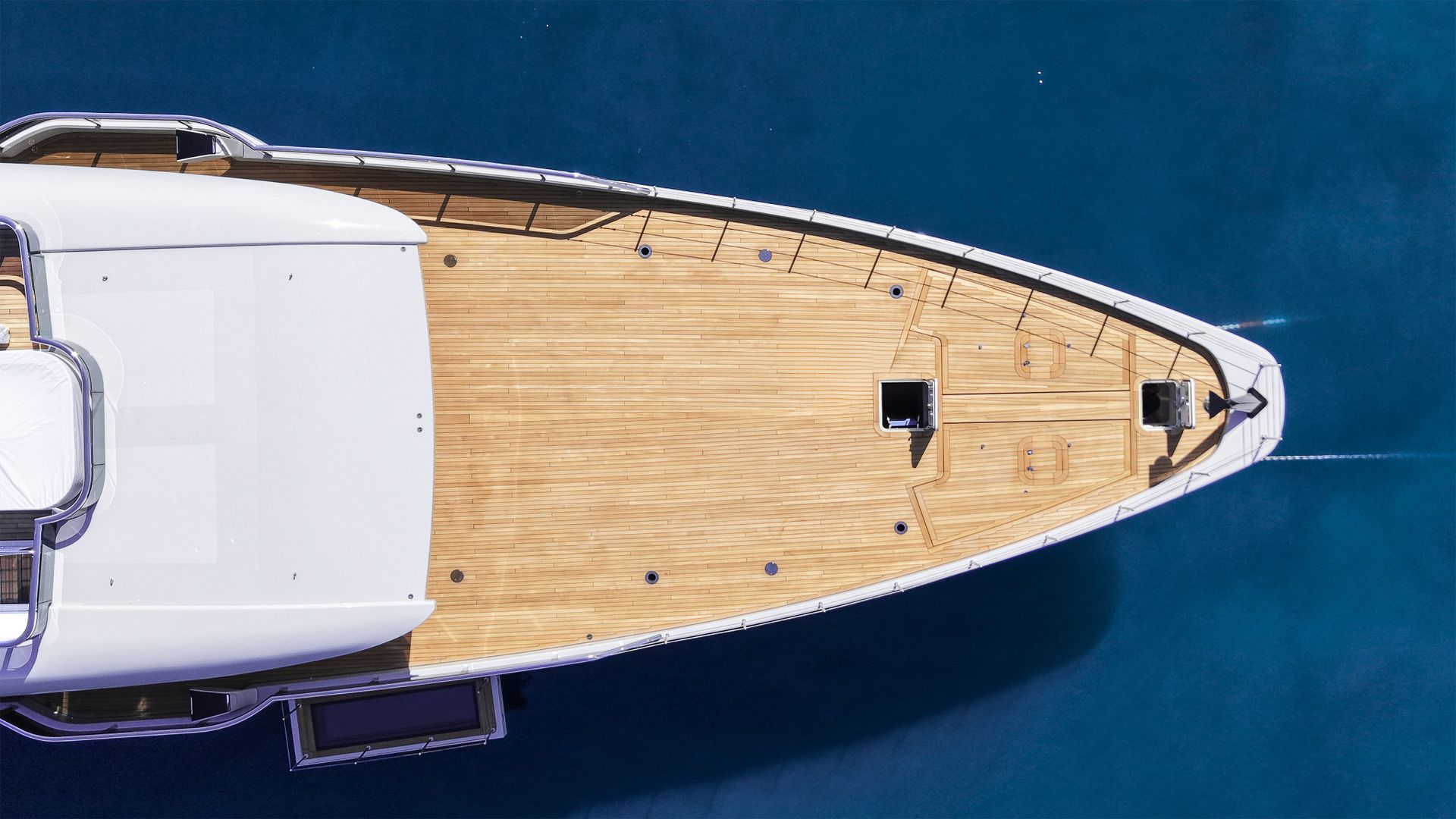
Ordering a superyacht means deciding thousands of details for an object that does not exist yet: volumes, wood species, fabrics, lighting, circulation between decks. For decades these decisions were made on drawings, scale models and sample boards. Today, an immersive yacht 3D configurator lets the owner walk through the future vessel before the first weld. And the shipyards adopting it are not following a fad.
A tightening market, ever-larger boats
BOAT International’s latest Global Order Book counts 1,093 yachts over 24 metres under construction or on order. The number of orders has fallen for a second consecutive year, while average length and tonnage under construction hit record highs, as noted in the analyses published around the 2026 Monaco Yacht Show.
In practice: fewer contracts, but each more complex and more expensive. Every prospect matters more, and every hour of sales meeting must move the deal toward signature. That is exactly where an immersive visualisation tool earns its keep.
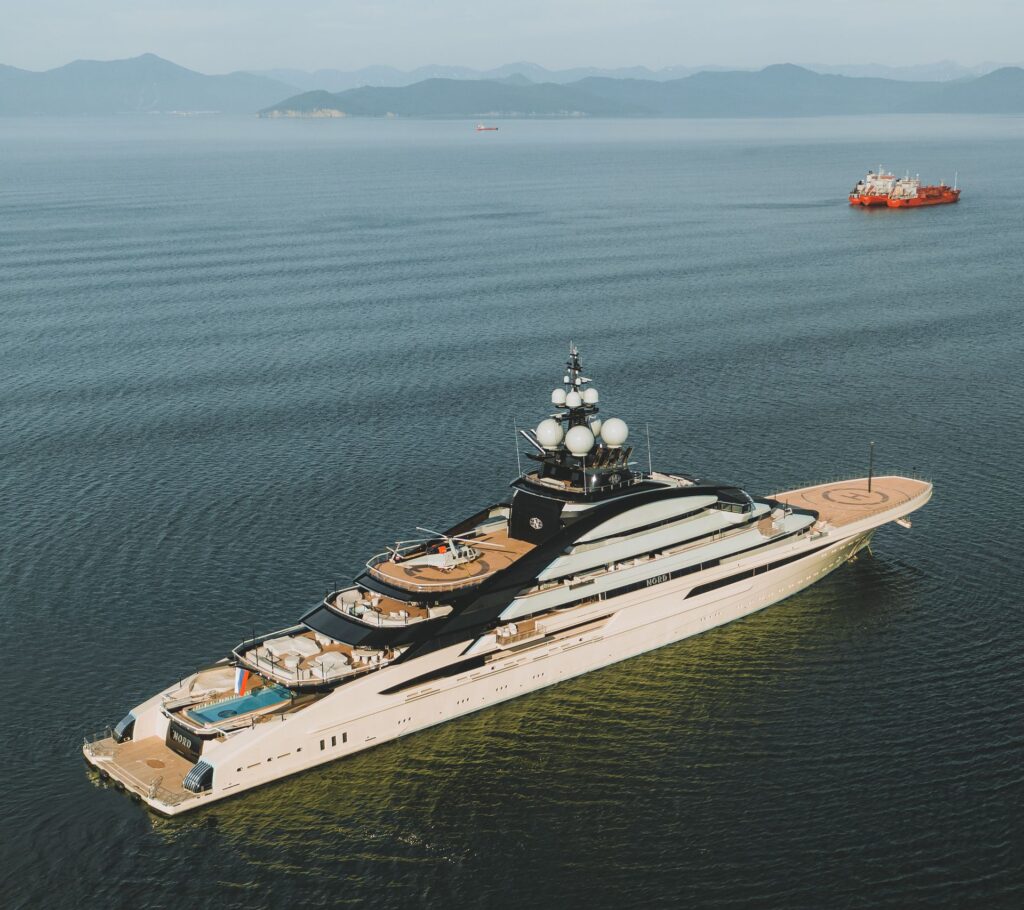
What an immersive 3D configurator changes for a shipyard
Deciding faster, with fewer misunderstandings
A 2D plan demands imagination and experience. A real-time 3D model shows the effect of a choice immediately: the ceiling height of a saloon, the mood of a suite depending on the chosen wood, the impact of a hardtop on volumes. The client sees, compares, decides. Back-and-forth between the design office, interior architect and owner shrinks.
A sales tool as much as a design tool
A well-designed configurator is also a prospecting tool. It works at boat shows, in showrooms, at the broker’s office, or over a video call with a client who cannot travel. It turns configuration into a memorable experience the client can relive and share with family or advisers.
A foundation for lower mock-up costs
Applied research has looked at this for a long time: as early as 2014, Fraunhofer IGD presented a maritime interior configurator that allowed a vessel’s interior to be designed before construction began. Today’s real-time engines make the approach far more accessible and photorealistic.
The Princess Yachts example
In 2025, Princess Yachts unveiled what it describes as the industry’s first fully immersive 3D configurator at the Cannes Yachting Festival. Clients walk each deck in real time, change the hardtop, hull colour or layout, pick wood finishes and fabrics, compare variants and get a personalised film of their configuration. Six models are covered at launch, with the full range expected by the end of 2026.
A telling detail: the yard plans a simplified 2D version online, while the full 3D experience stays reserved for one-to-one sessions. It is a two-tier strategy many luxury brands adopt: an accessible preview to attract, a premium experience to convince.
Five criteria for a good yacht configurator
- Credible realism: materials, light and reflections must be faithful enough for a finish to be genuinely decided on screen.
- Consistent options: the configurator must prevent combinations that are technically or regulatorily impossible.
- Natural navigation: first-person walkthrough, overall views, deck plans, smooth switching between them.
- A link to business data: indicative prices, lead times, a summary sheet exportable to the yard’s CRM.
- Multi-device use: large screen in the showroom, tablet at the broker’s, lighter web version for first contact.
Mistakes to avoid
The first is aiming for spectacle before usefulness: an impressive demo that does not help clients choose does not close deals. The second is neglecting performance: a model that is too heavy hurts fluidity, especially outside the showroom. The third is separating the configurator from the sales process: with no link to the quote and prospect follow-up, it remains a showcase.
Frequently asked questions
Does a yacht 3D configurator replace plans and mock-ups?
No, it complements them. Technical drawings and physical samples remain essential for final decisions, but the configurator speeds up early trade-offs and helps the owner visualise the result.
Can it be used remotely?
Yes, provided you build a lighter web version or run a shared session over video call. The heaviest experiences generally stay in the showroom.
Is it only for very large yachts?
No. The logic applies whenever personalisation is rich: limited-series yards, semi-custom boats or bespoke interior fit-outs.
Going further
At Inspir3d Studio, we design immersive experiences and 3D configurators for brands that sell complex products. If virtual showrooms interest you, you may also read our article on the UX/UI keys to a B2B 3D virtual showroom, or our analysis of the product digital twin. To discuss a configurator or immersive experience project, get in touch with our team.
