An immersive venue can invest hundreds of thousands of euros in its scenography and still lose part of its sales on a poorly designed form. For an entertainment venue, the website is the first waiting room: it is where online booking of an immersive experience is won or lost. Here is how to build a booking funnel that converts without breaking the brand’s magic.
The starting point: 7 in 10 carts are abandoned
According to the Baymard Institute, the average e-commerce cart abandonment rate is 70.22%, calculated from 50 studies. Its testing also shows that a large site can gain an average 35.26% in conversion simply by improving its checkout. On quality, 65% of the sites assessed offer a “mediocre” or worse checkout, against only 2% rated “good”.
These figures cover e-commerce in general, not ticketing specifically, but the mechanism is the same: the visitor is ready, and the interface loses them. For a venue that must fill limited time slots, every abandonment is an empty seat that cannot be resold.
The six steps of an immersive booking funnel
1. An experience page that both entices and informs
A strong visual, a short video, the duration, minimum age, intensity level and accessibility must be visible without scrolling. Visitors should not have to hunt for the information that decides their visit.
2. A readable time-slot choice
Clear calendar, remaining places, prices by profile. Full slots should stay visible but clearly unavailable, with an alert if a place frees up.
3. A price that is clear from the start
Avoid surprise fees at the last step. Show the final price as early as possible, with options (souvenir photo, fast-track, group package) presented as add-ons, not traps.
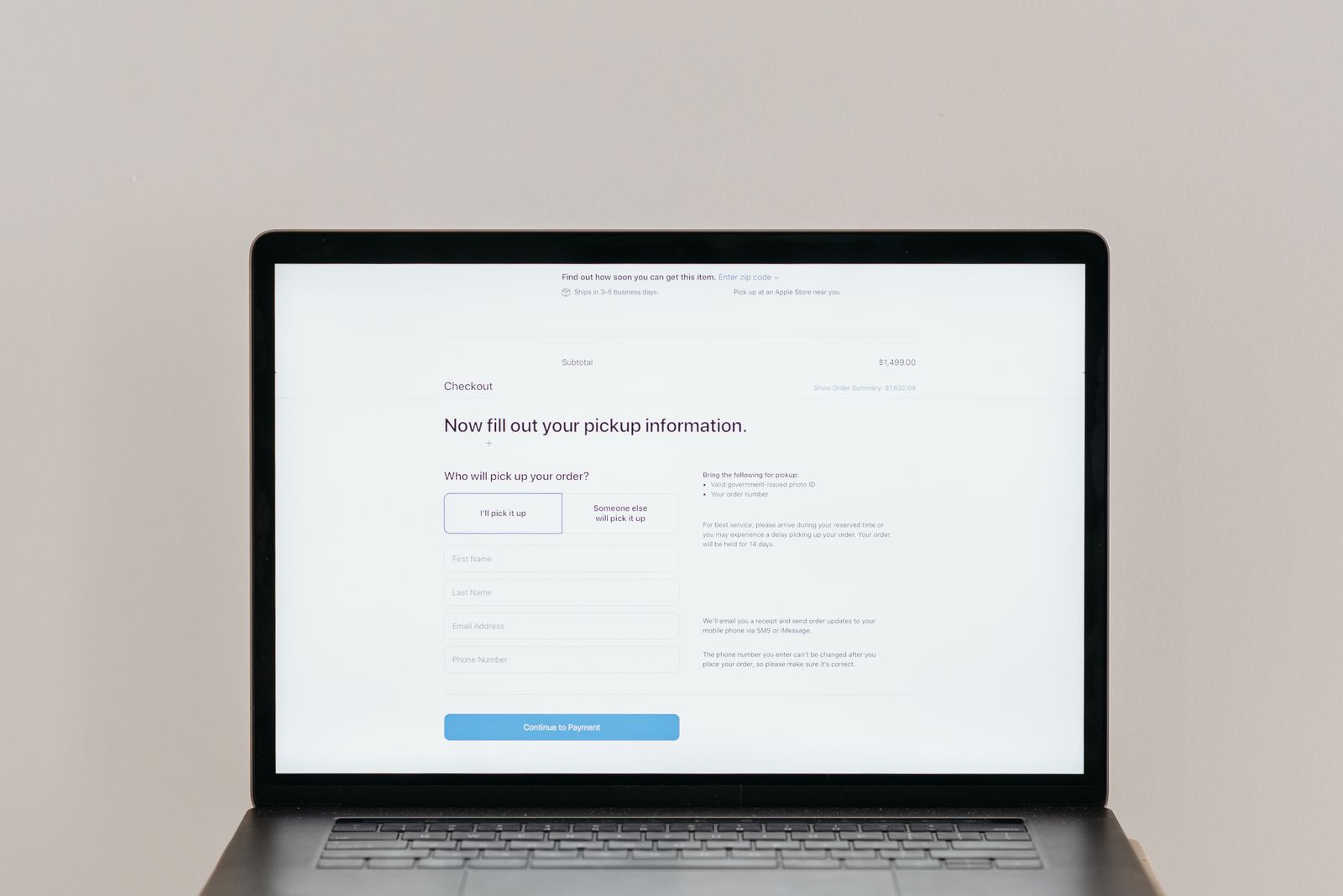
4. A short form
Ask only for what the visit needs: number of participants, email, any accessibility information. Every extra field costs bookings.
5. A reassuring payment step
Familiar payment methods, cancellation and rescheduling terms shown before paying, a clear security mention. On mobile, favour one-gesture payments.
6. A useful confirmation
Ticket in the phone, access map, practical tips, a reminder the day before and a link to add the event to the calendar. The confirmation is already the start of the experience.
Keeping an immersive identity without sacrificing performance
An immersive venue’s site can be spectacular, but the booking funnel must stay sober and fast. Reserve 3D animations, full-screen videos and sound effects for inspiration pages, then simplify as payment approaches. Always measure mobile loading speed: that is where most last-minute bookings happen.
Metrics to track
- Pass-through rate between each funnel step.
- Abandonment rate by device (mobile, desktop).
- Slots filled versus capacity, by day and hour.
- Share of bookings with options (photo, package).
- Response rate to reminder and feedback emails.
Frequently asked questions
Should you require an account?
No. Offer guest checkout, with the option to create an account after booking.
How should groups and schools be handled?
Provide a dedicated journey with a quick quote, as their needs (capacity, invoices, accessibility) differ from individual bookings.
Does a virtual tour on the site help sell?
It can reassure and create desire, provided it does not delay access to the booking calendar.
Going further
Inspir3d Studio designs sites and interfaces for venues and brands that sell experiences. To understand how performance affects the experience, read our article on the high-performance website balancing speed and immersive 3D. To discuss your site or ticketing project, get in touch with our team.
