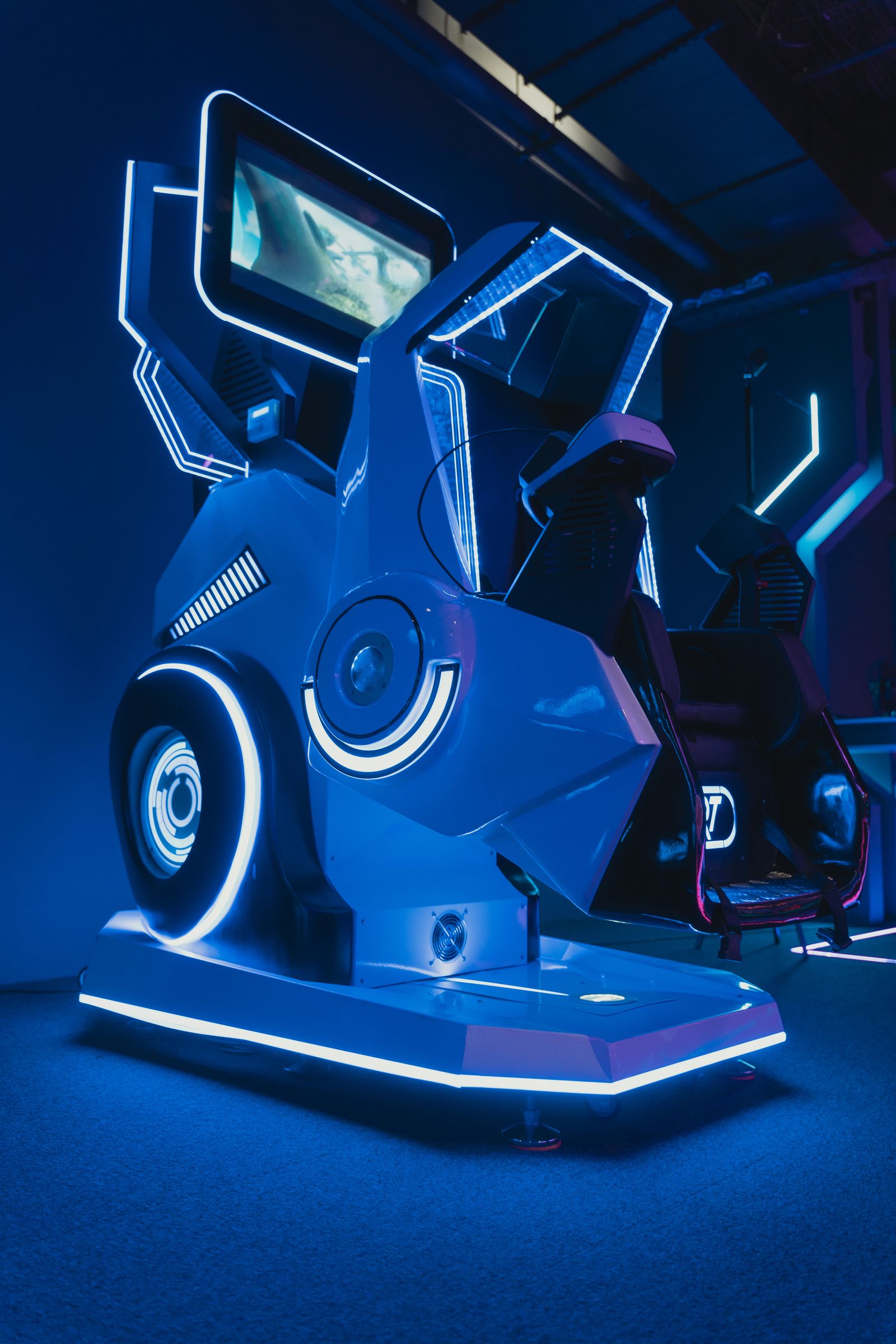
An escape room, a virtual reality arcade or an immersive leisure park shares one constraint: the experience happens on site, so customers must first find you nearby. Local SEO for an immersive venue rests on three pillars: a solid Google Business Profile, a website that gives each experience its own page, and recent reviews. Here is how to set them up, in the order of their weight.
Why immersive venues face a visibility challenge of their own
The market encourages new openings. According to ResearchAndMarkets, the global immersive entertainment market is expected to grow from $133.6 billion in 2024 to $473.9 billion by 2030, a 23.5% annual growth rate (BusinessWire / ResearchAndMarkets). In practice, more venues compete for the same searches in the same city.
Your product is also hard to describe in one line. “Escape room”, “team VR game”, “immersive experience”, “VR arcade”: people use different words to look for the same night out. And the decision is often made from a phone, when choosing what to do tonight or this weekend.
What Google looks at to rank a local venue
Google sums up local ranking in three criteria: relevance, distance and prominence. For prominence, it explicitly mentions how many websites link to the business and how many reviews it has (Google Business Profile help).
The 2026 Whitespark survey, in which 47 local SEO experts scored 187 factors, gives a finer ranking for the local pack: the primary profile category comes first (227 points), ahead of address proximity (225) and keywords in the business name (223). High ratings rank 6th, the number of reviews with text 9th and review recency 11th (Whitespark, Local Search Ranking Factors 2026). Website domain authority only ranks 55th: to show up on the map, your profile matters more than your site’s raw power.
Step 1: perfect your Google Business Profile
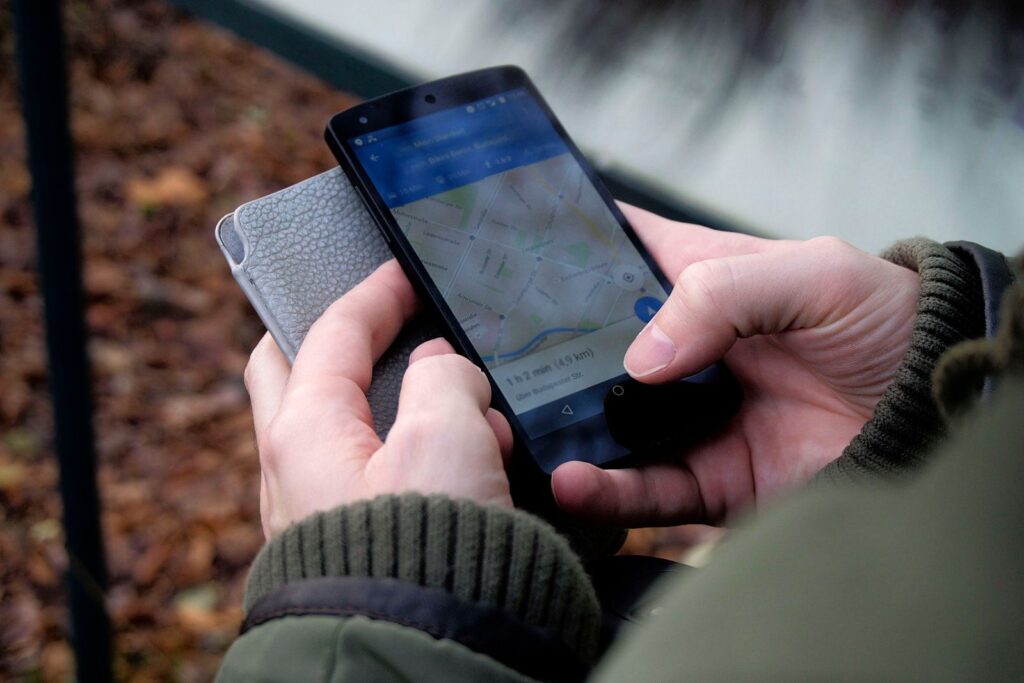
This is the best effort-to-result investment. Four points, in this order:
- The primary category. Pick the one matching your main activity (for example “escape room” or “virtual reality center”) and add secondary categories for side activities.
- The exact business name. It should reflect your real brand, as shown on your storefront. If the type of activity naturally appears in the name, that helps (keywords in the name are Whitespark’s 3rd factor); do not invent any.
- Opening hours, including exceptions. Whitespark ranks “open at the time of search” 5th among local pack factors: a venue open evenings and weekends must say so without errors.
- Photos and the booking link. Show the entrance, the reception room and at least one image per experience, without revealing the puzzles.
Earning reviews that count
An immersive venue has an edge: customers leave excited. Use that moment. A thank-you message sent the same evening, with a direct link to the review form, produces a steady flow rather than a one-off spike. Answer every review, positive or not: Google says helpful replies help a business stand out.
Step 2: one page per experience on your website
Many venues present their whole offer on a single page. That is a missed opportunity. In the “AI search visibility” part of the Whitespark survey, a dedicated page for each service ranks 2nd among all AI visibility factors (170 points), and FAQs on service pages rank 43rd (103 points).
For a leisure venue, this means a simple architecture: one page per experience (duration, number of players, minimum age, difficulty, accessibility), a “find us” page with the address, transport and parking, and one page per audience (groups, birthdays, corporate events). Each page should answer the practical questions that come before a booking. When you move on to the booking flow, our article on the anatomy of a booking funnel that converts takes over.
Where to place keywords, without stuffing
Put the activity type and the city in the title and H1: “Escape room in Lyon: three rooms for 2 to 6 players”. The body can then vary the vocabulary (“immersive room”, “virtual reality adventure”, “team game”) to cover different phrasings without repeating the same expression.
Step 3: structured data, useful but not magic
Schema.org markup helps Google understand your page. For a permanent venue, the TouristAttraction or LocalBusiness types describe the establishment (address, hours, phone). For a one-off session, such as a themed night or a seasonal event, Event markup fits: Google states it is meant for pages focused on a single event, with a name, a start date and a location as required properties, and that it does not guarantee a rich result (Google Search Central documentation).
In other words, do not mark up your permanent escape room as a recurring event: keep Event for genuinely dated sessions. Whitespark ranks schema markup 44th for AI visibility: a bonus, never a substitute for a good profile and clear content.
A 30-day action plan
| Week | Action | Expected result |
|---|---|---|
| 1 | Profile audit: categories, name, hours, address, map pin | Profile consistent with the website and storefront |
| 2 | One page per experience + a “find us” page | Pages that answer questions before booking |
| 3 | Schema.org markup and FAQs on service pages | Content readable by search engines and AI assistants |
| 4 | Systematic review requests and replies to reviews | A steady, recent flow of reviews |
The costliest mistakes
- Settling for an animated 3D showcase site with no indexable text: a spectacular visual tells Google nothing. Our article on SEO for 3D content explains this trap.
- Using different information across the profile, the website and directories (phone, hours, name).
- Forgetting holiday or exceptional closing hours, even though being open at search time weighs on ranking.
- Never replying to reviews, or replying with copy-pasted text.
Frequently asked questions
Do I need a website to show up on Google Maps?
A well-filled Google Business Profile is enough to appear, but a website with one page per experience strengthens relevance and feeds AI assistants’ answers. The two complement each other.
How many reviews should I aim for?
There is no official threshold. The experts surveyed by Whitespark put rating, volume and recency of reviews among the top twelve factors: aim for a steady flow rather than a specific number.
Is Event markup right for a permanent escape room?
No, not for the permanent offer: it is for dated events. Use TouristAttraction or LocalBusiness for the venue.
An immersive venue is also a digital product
At Inspir3d, we design immersive experiences and the websites that make them known: page architecture, booking journeys, lightweight 3D content and SEO. If you are opening a venue or want to fill the one you run, let’s talk about your project.
