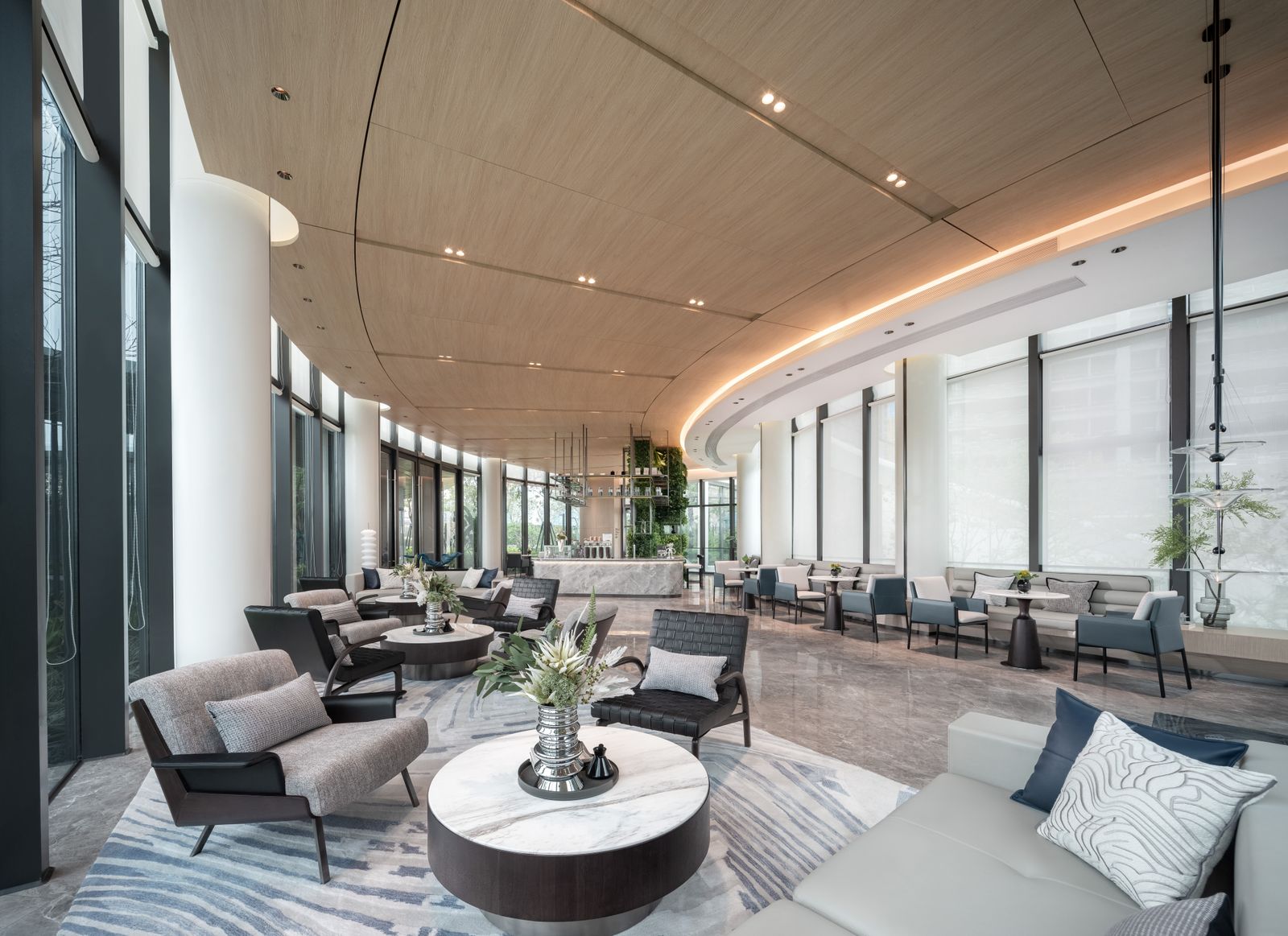
In luxury hospitality, guests do not book a room: they book an atmosphere, a service, a view, a memory. Polished photos no longer always dispel doubt, especially when a stay costs several thousand euros. A luxury hotel 3D virtual tour answers that need to picture yourself there, and can also help a property take back control of its direct bookings from online platforms.
Why luxury needs more than photos
High-end travellers compare volumes, views, suite layouts, the distance between the spa and the room. Photos are selected by the hotel, so they are perceived as flattering. A 3D tour, where you move freely, reassures because it feels unedited. According to a Skift survey relayed by Statista, almost 34% of travellers surveyed in 2022 said they were very interested in a virtual reality tour of a hotel before booking. The figure is dated, but it points to genuine public interest.
What field data says (read with caution)
Published figures mostly come from solution vendors, who have an interest in promoting them. They still give orders of magnitude:
- Matterport reports, for travel and hospitality, up to 15% more web engagement and up to 14% more conversion to bookings.
- At Vacasa, listings with a 3D tour are browsed three times longer, with nearly 12% more bookings (vacation rentals, a different context from luxury hotels).
- Lindner Hotels saw 25% more clicks after linking their 3D tours to their Google listing.
These results do not transfer mechanically to every property: they depend on the tour’s quality, its place in the booking journey and the audience targeted.
From simple “tour” to brand experience
Level 1: touring the spaces
Rooms, suites, restaurants, spa, event spaces: the useful minimum. It also helps sales teams sell seminars and weddings remotely.
Level 2: the tour that leads to booking
Visitors must be able to go from the suite they like to availability and rate in one click. Without that bridge, the tour stays decorative.
Level 3: personalising the stay
Choosing the floor, the exposure, the room ambiance, services on arrival: a stay configurator turns the tour into the first step of the customer relationship. This is where an immersive experience becomes a differentiator, beyond a mere showcase.
Best practices for a luxury hotel website
- Load fast: a heavy tour that blocks the page drives visitors away. Launch it on demand, with an elegant preview image.
- Think mobile: many travellers plan their stay on a smartphone.
- Stay true to the brand: light, framing, music and interface must match the property’s positioning.
- Keep visuals up to date: a renovated suite whose tour shows the old decor breaks trust.
- Care for accessibility: offer a text alternative and a reduced-motion mode for sensitive users.
Frequently asked questions
Does a 3D tour replace professional photos?
No. They complement each other: photos inspire, the tour reassures and lets guests picture themselves there.
Does it really help direct bookings?
It can, provided it is integrated into your site and linked to the booking engine. Measure the effect before and after to validate the investment.
What budget should I plan?
It varies with surface area, finish level and interactivity. A virtual-tour capture is not on the same scale as a bespoke digital twin: ask for a detailed quote.
Going further
Inspir3d Studio designs bespoke immersive experiences for brands that want to embody their universe online. To think about the performance of a 3D-rich site, read our article on the high-performance website balancing speed and immersive 3D. To discuss a hospitality project, get in touch with our team.
