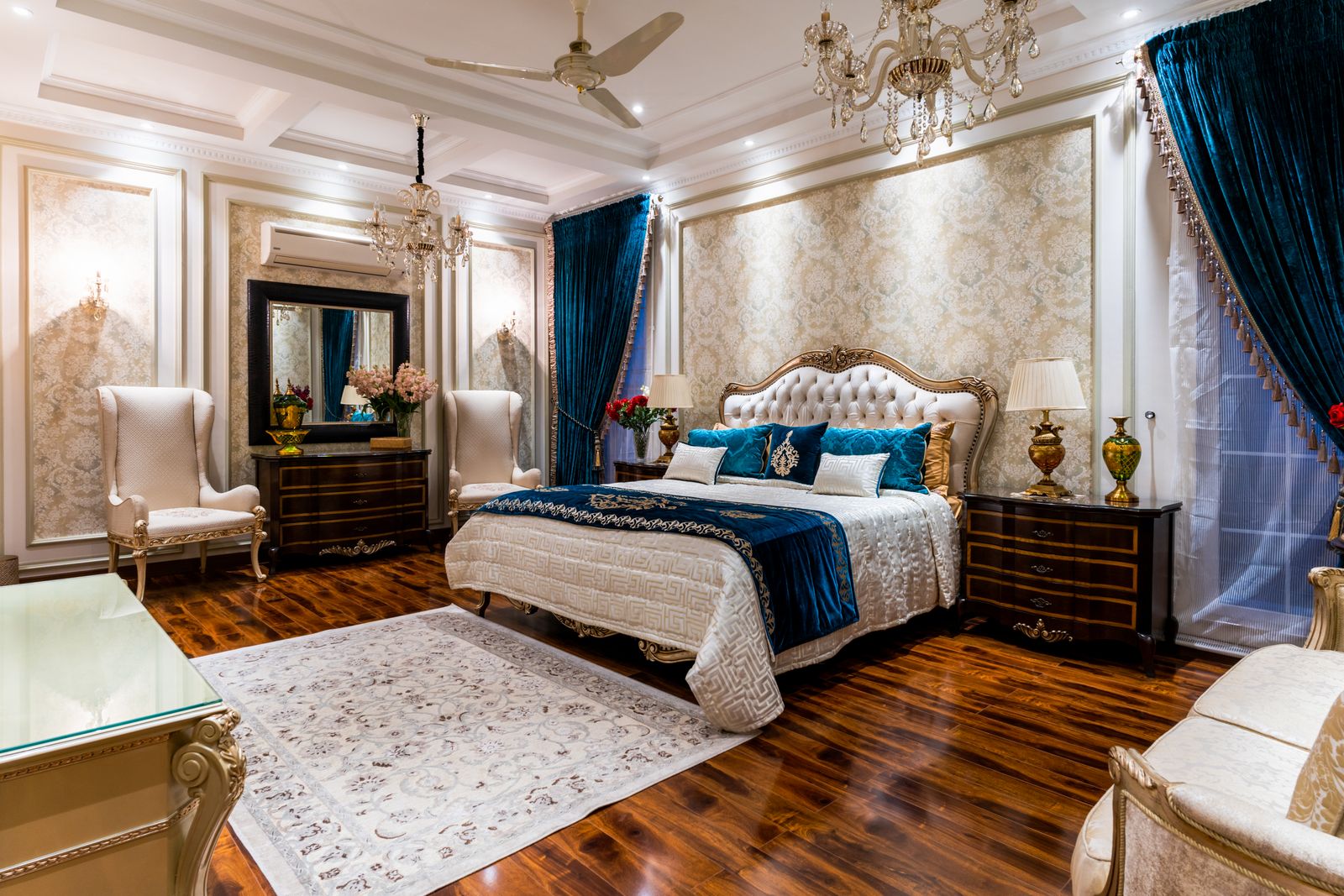
In a grand hotel, guests don’t just choose a room category: they choose a floor, a view, an atmosphere, a rhythm for their stay. Yet most luxury hotel websites stop at a booking engine offering three room types. A luxury hotel stay configurator closes that gap: it lets travelers compose their stay online before arrival, and lets the hotel receive a request that is already precise. Here is how to design one, what to put in it, and how to keep it from turning into a form in disguise.
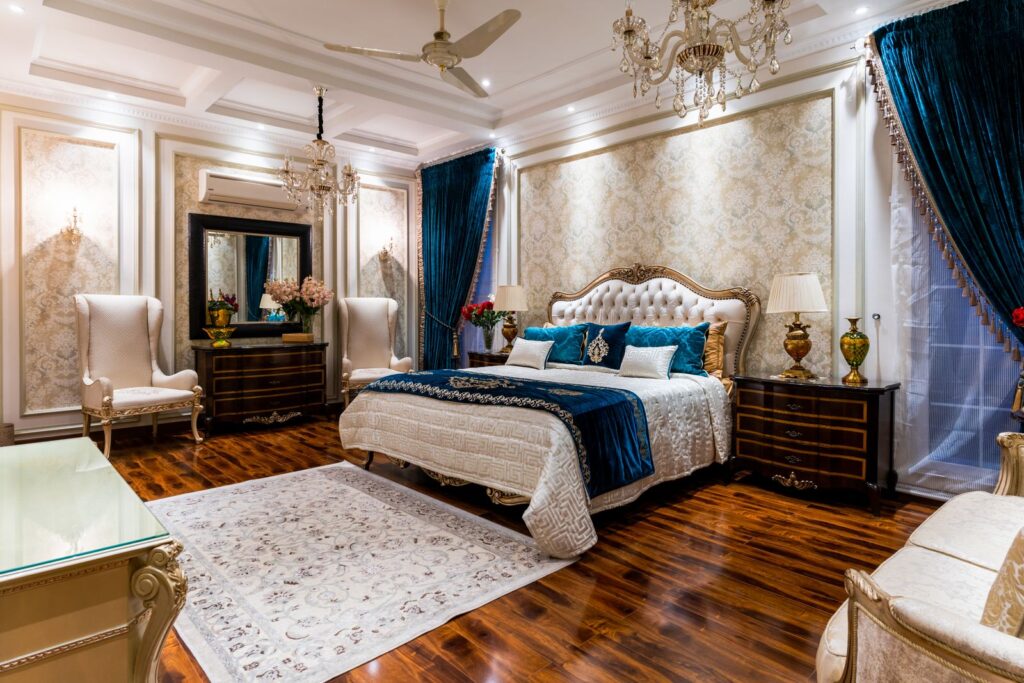
Why stay personalization has become a design topic
Expectations are now set. According to McKinsey (published in 2021, across all industries), 71% of consumers expect companies to deliver personalized interactions and 76% get frustrated when this doesn’t happen. These figures are not specific to hospitality, but they describe the mindset of guests used to being recognized online.
Travelers also prepare trips more independently. According to Deloitte’s 2026 Travel Industry Outlook, nearly a quarter of travelers reported using generative AI tools for trip planning in late 2025, three times as many as in 2022. And according to Think with Google, 53% of travelers regularly use Google Search to learn about travel (Ipsos survey, July 2025). A guest who compares, cross-checks and plans alone needs a site that helps them decide, not just book.
What a stay configurator changes compared with a booking engine
A booking engine answers “which rooms are available on these dates?” A configurator answers a different question: “what will my stay look like?” The difference is decisive at the high end, where the price of a night is justified by the experience more than by square meters.
- It makes options visible: orientation, floor, suite layout, spa access, dining, transfers.
- It turns each choice into useful information for the team: the hotel knows expectations before arrival.
- It gives a reason to book direct: the stay is composed on the hotel’s own site, not on a platform.
- It opens relevant upsells, presented as choices rather than imposed extras.
Five steps for a well-designed stay configurator
1. Start from the traveler, not the catalog
The first question is not “what can we sell?” but “what does a guest hesitate to ask for?” One framing question (couple’s trip, family, business stay, special occasion) is enough to adapt the rest of the journey. Avoid piling up questions: five to seven well-ordered choices beat a questionnaire.
2. Show choices in context
Picking “sea-view suite” from a dropdown says nothing. The same choice becomes meaningful with a building plan, a view from the balcony or a 3D tour of the suite. This is where immersive design adds real value: a 3D virtual tour of a luxury hotel provides the visual anchor, and the configurator turns it into a decision tool.
3. Keep price and availability readable at every step
A configurator that hides the rate until the last step drives guests away. Show a running total, state clearly what is included and what is optional, and connect the result to real availability. The principle is the same as in a booking funnel that converts: every ambiguity about price costs abandonments.
4. Provide a human exit
In luxury, some guests want to finalize with an advisor. Offer a “call me back” or “talk to the concierge” button at any time, and pass along the configuration already chosen. The tool prepares the conversation; it doesn’t replace it.
5. Measure what actually happens
Before launching, set the metrics: configurator start rate, completion rate, the step where visitors leave, share of direct bookings, average booking value. Without them, you can’t tell what works.
Design mistakes that make a configurator fail
E-commerce research gives a useful benchmark for the cost of friction. The Baymard Institute calculates, from 50 studies, an average cart abandonment rate of 70.22%, and 17% of abandonments (excluding people just browsing) are attributed to a process that is too long or complicated. These are e-commerce carts, not hotel bookings: the figure illustrates a principle, not a result to expect. A drawn-out journey loses customers, even when the product is desirable.
- Too many options at once. Prioritize: three to four choices per screen, the rest in an expandable section.
- Heavy rendering. A 3D scene that takes ten seconds to load on mobile loses the visitor. Load it on demand, with a polished preview image.
- A setting that doesn’t match reality. A renovated suite whose model shows the old decor breaks trust.
- An interface that contradicts the brand. Typography, lighting, transition tempo: the tool is part of the hotel’s experience. Our principles of UX/UI for 3D configurators apply here too.
- No dedicated mobile design. Many travelers plan their stay on a phone.
- Inaccessible rendering. Provide text alternatives, sufficient contrast and a no-animation mode.
From hotel to yacht: the same configuration logic
The logic goes beyond hotels. A superyacht buyer also composes an interior, with comparable stakes: show without overselling, keep track of a complex choice, prepare the conversation with an advisor. Our article on the superyacht 3D configurator details this approach. In both cases, the configurator turns a promise into a concrete project.
An example journey in six screens
As an illustration (a fictional journey, to be adapted to each property): the traveler states the occasion for the stay, picks a suite category, discovers the layout and view in 3D, selects the atmosphere and arrival services, sees the total and availability, then books or asks to be called back. One main decision per screen. That restraint is what gives the journey the feel of a concierge rather than a form.
Frequently asked questions
Is a stay configurator suitable for a small luxury hotel?
Yes, as long as the ambition is adapted. A journey in a few steps, with a few well-presented options, can be enough. What matters is that each choice has real value for the guest and for the team.
Do you need 3D to personalize a stay?
No, but 3D helps when the choice is visual (suite layout, view, atmosphere). For options like transfers or a meal, a clear interface is enough.
How do you connect it to the existing booking system?
Most often through the hotel’s API or booking module, to display real availability. This integration should be scoped from the start, because it determines budget and timelines.
Going further with Inspir3d
Inspir3d Studio designs custom immersive experiences and configurators for high-end hospitality, entertainment venues and luxury yachting. If you are thinking about stay personalization for your property, let’s talk with our team.
